Why Matter Protocol Is the Future of Smart Home Interoperability: A 2025 Industry Overview
By Wyzeussale | Published: 2026-06-20
Category: Industry News
Explore how the Matter protocol is revolutionizing smart home interoperability in 2025, breaking down walled gardens, and shaping device compatibility across brands. Learn key trends and product impacts.
The smart home industry has long been fragmented by competing ecosystems, proprietary protocols, and frustrating incompatibilities. In 2025, the Matter protocol is emerging as the definitive standard for smart home interoperability, promising seamless device communication across brands like never before. This industry overview dives into what Matter is, why it matters, how it impacts your smart home setup, and what the future holds for smart home 2025 standards.
What Is the Matter Protocol?
Matter is an open-source, royalty-free connectivity standard developed by the Connectivity Standards Alliance (CSA), with backing from industry giants including Apple, Google, Amazon, and Samsung. Its primary goal is to enable devices from different manufacturers to communicate reliably and securely, eliminating the need for multiple hubs, bridges, or complex workarounds. Unlike older protocols like Zigbee or Z-Wave, Matter runs over existing IP-based networks (Wi-Fi, Thread, Ethernet), making it easier to adopt and scale.
Key Features of Matter
- Unified Certification: Devices bearing the Matter logo are guaranteed to work together out of the box.
- Local Control: Matter operates locally, reducing latency and dependence on cloud services.
- Security-First Design: End-to-end encryption and regular security updates are baked into the standard.
- Multi-Admin Support: Control Matter devices from multiple platforms (e.g., Apple Home, Google Home, Amazon Alexa) simultaneously.
Why Smart Home Interoperability Matters in 2025
For years, smart home enthusiasts have struggled with ecosystem lock-in. If you bought a smart lock from one brand and a sensor from another, you often needed separate apps, routines, and voice assistants. This friction limited adoption and frustrated users. In 2025, Matter is changing that dynamic.
Breaking Down Walled Gardens
The biggest win for Matter is its ability to bridge ecosystems. A Matter-certified smart lock, for example, can be added to Apple Home, Google Home, or Amazon Alexa without additional configuration. This flexibility means you can mix and match devices based on features, price, or design, not brand allegiance.
Reducing Complexity for End Users
Setup is simplified: scan a QR code, wait for pairing, and you’re done. No more fumbling with multiple apps or wondering if device X will work with hub Y. This ease of use is driving mainstream adoption and making smart homes more accessible to non-technical users.
Industry Trends Shaping Matter in 2025
Several key trends are accelerating the adoption of Matter:
1. Expansion into New Device Categories
Initially focused on lighting, locks, sensors, and thermostats, Matter 1.3 and beyond are adding support for energy management devices, EV chargers, and even more sensor types. This broadens its relevance for whole-home automation.
2. Matter over Thread Takes Off
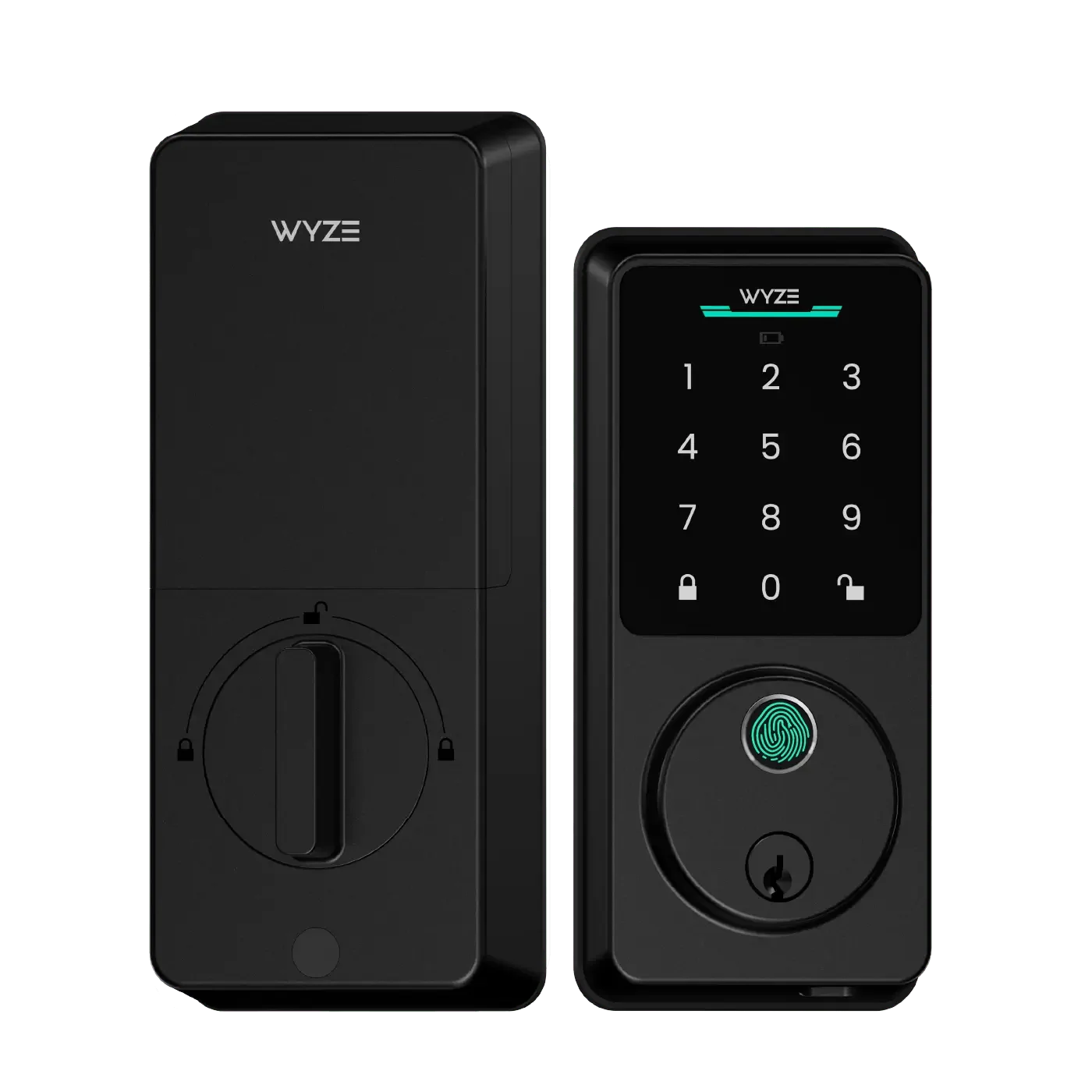
Thread, a low-power mesh networking protocol, is a perfect companion for Matter. Devices like battery-powered sensors and door locks benefit from Thread’s reliability and low power consumption. Many new products, including the Wyze Palm Lock, are designed with Thread and Matter compatibility in mind, offering longer battery life and faster response times.
3. Matter Certification Becomes a Must-Have
Retailers like Amazon and Best Buy are prioritizing Matter-certified products in their smart home sections. By 2025, consumers increasingly expect the Matter logo on packaging, and brands without certification risk being left behind.
How Matter Impacts Your Smart Home Device Choices
When shopping for new smart home gear, choosing Matter-certified products future-proofs your setup. Here’s how it applies to specific categories:
Security Sensors and Leak Detection
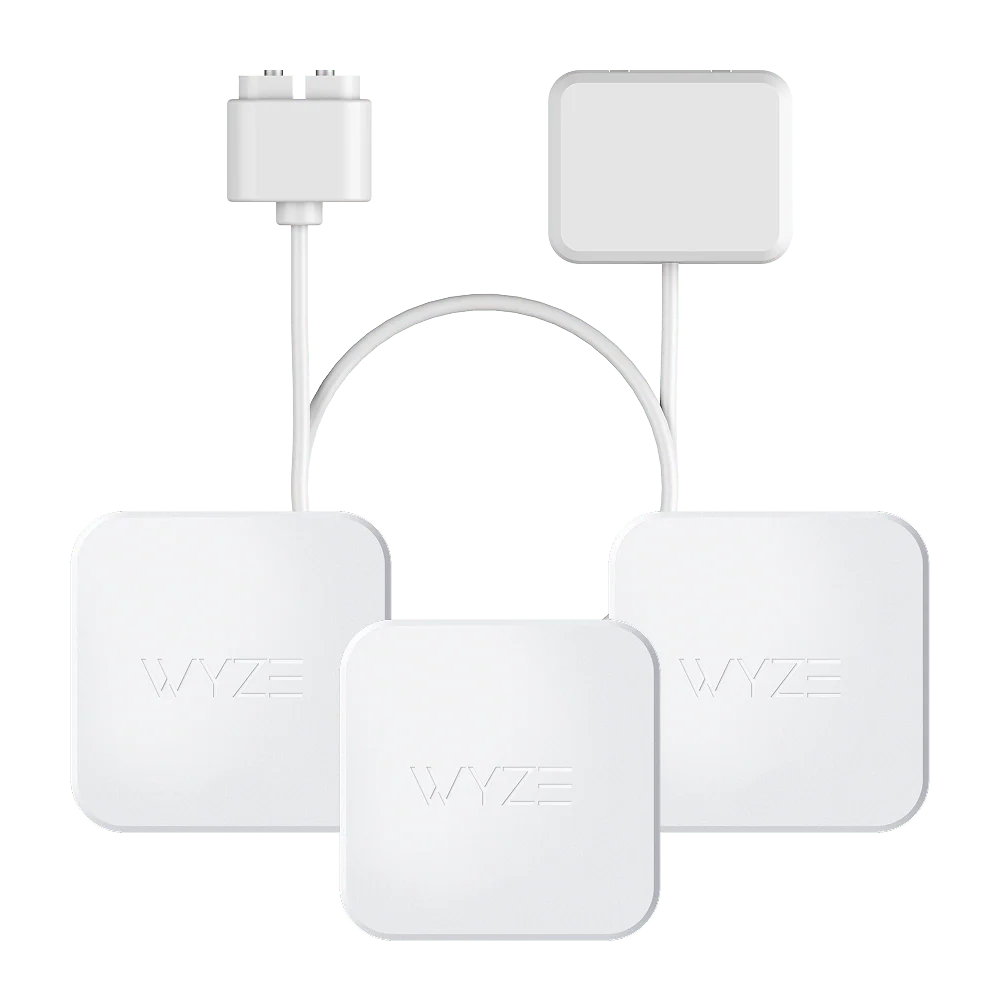
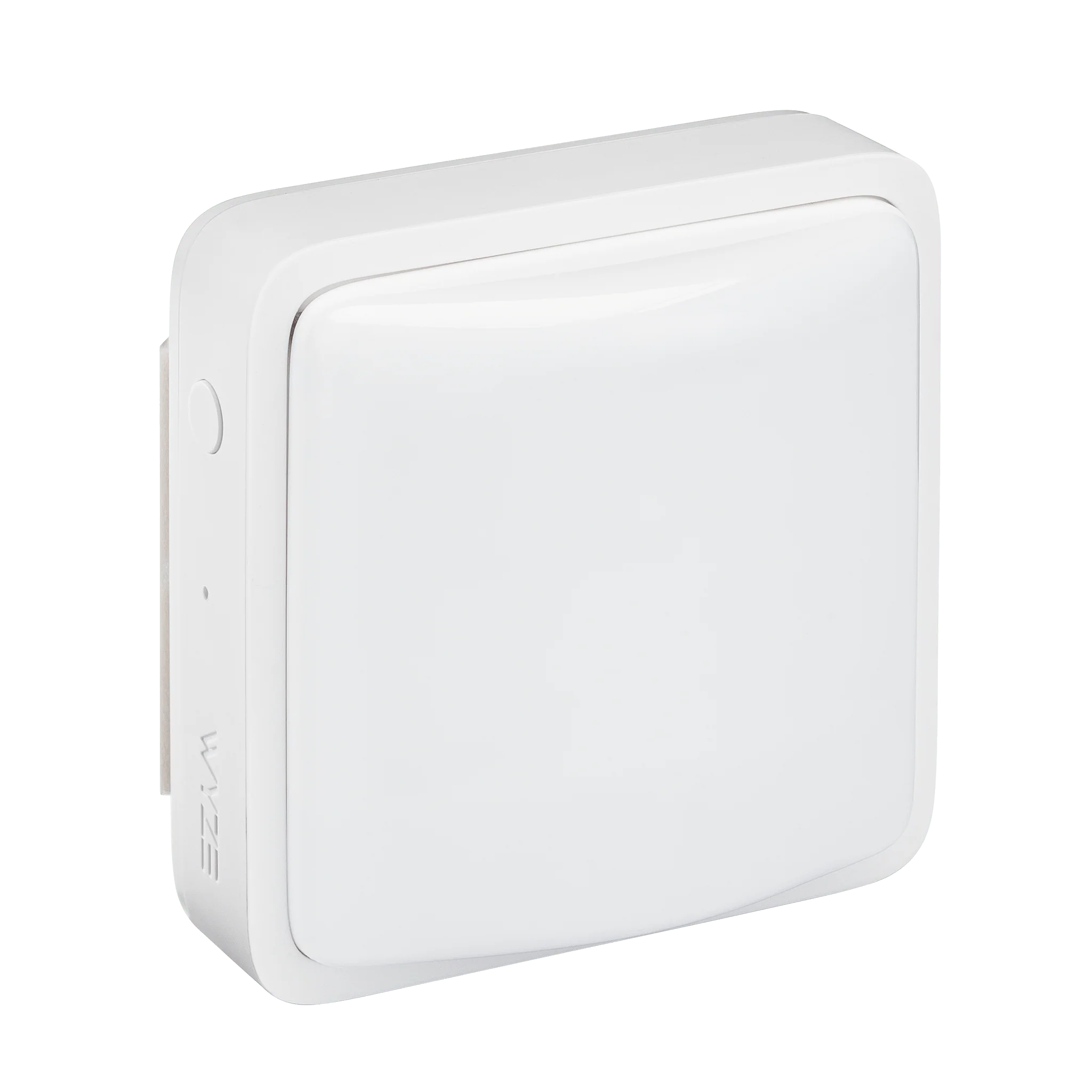
Water leak sensors are a critical part of any smart home security system. The Wyze Sense Leak Sensor & Probe, while not yet Matter-certified, represents the kind of device that will benefit from future Matter compatibility—allowing it to trigger routines across ecosystems, like shutting off a Matter-compatible smart valve.
Thermostats and Energy Management
Smart thermostats were early adopters of Matter. The (Refurbished) Wyze Thermostat offers a cost-effective entry into climate control, and Matter support would let it integrate seamlessly with other platforms for energy-saving automations—like adjusting temperature based on occupancy detected by Matter sensors.
Cameras and Video Doorbells
While Matter 1.3 added camera support, many devices still rely on proprietary apps for streaming. However, Matter’s focus on local streaming and privacy features is pushing manufacturers to adopt the standard. For now, cameras like the Wyze Window Cam offer great standalone performance, but future Matter compatibility will enable unified alerts across all your smart home devices.
Challenges and the Road Ahead
Despite its promise, Matter faces hurdles. Firmware updates for existing devices can be slow, and not all brands have fully committed to certification. Additionally, the standard’s complexity means some advanced features (like multi-camera streams) are still in development. However, the industry momentum is undeniable.
The Role of Thread and Wi-Fi
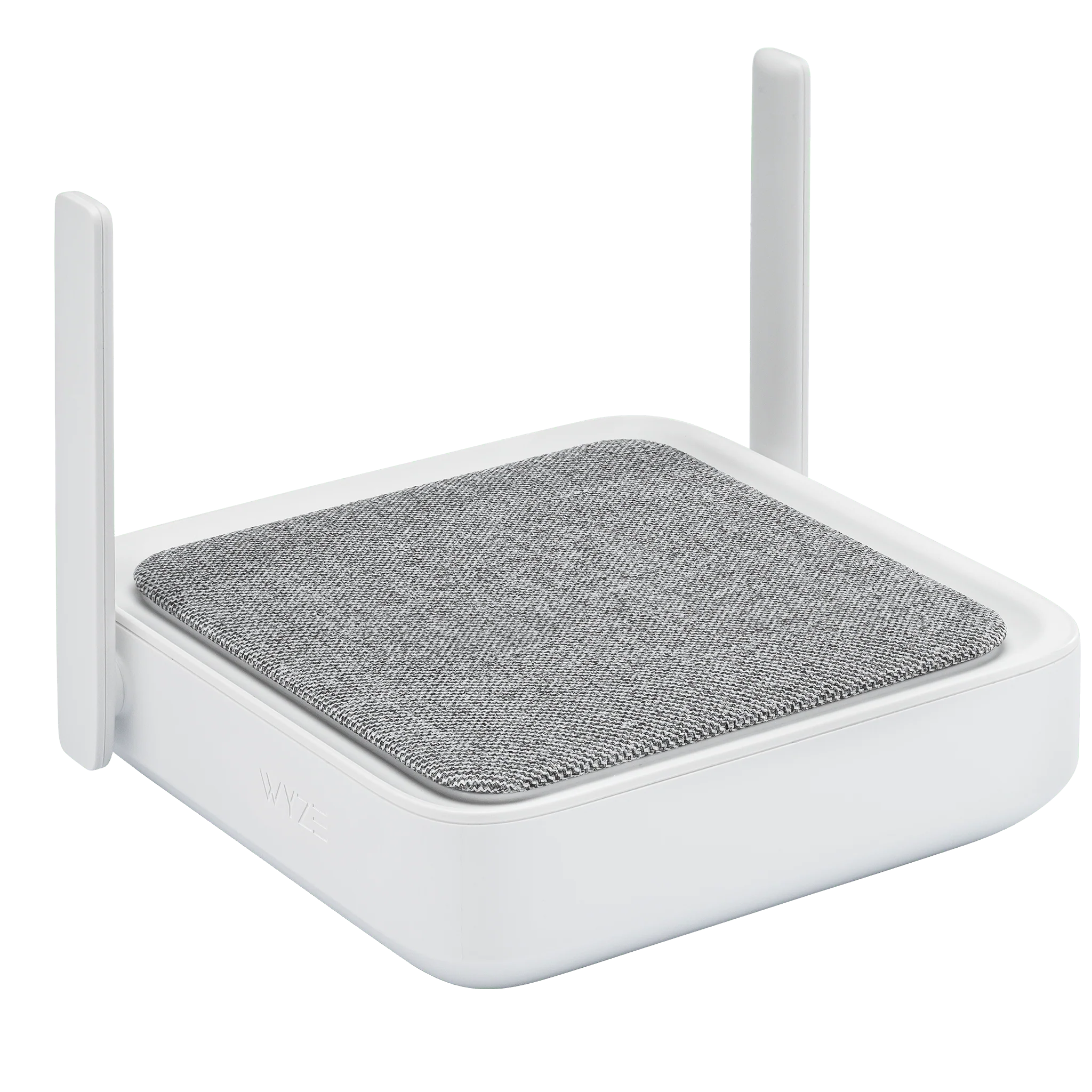
Matter devices typically use Wi-Fi for high-bandwidth needs (like video) or Thread for low-power sensors. This dual approach ensures flexibility. Home routers and mesh systems are increasingly adding Thread border routers, making it easier to build a robust Matter network.
Looking Ahead: Smart Home Standards in 2026 and Beyond
By 2026, expect Matter to become the default smart home standard. New homes will likely be pre-wired with Matter-compatible hubs, and retrofit devices will dominate the market. The focus will shift from “will it work?” to “how do I optimize my routines?” As the ecosystem matures, consumers will enjoy unprecedented choice and control.
What This Means for You
If you’re building or upgrading a smart home in 2025, prioritize Matter-certified devices or those with announced support. This ensures your investment remains compatible with future innovations—from AI-driven automation to cross-platform routines that simplify your daily life.
Conclusion: Embrace the Interoperable Future
The Matter protocol is not just another tech trend—it’s a fundamental shift toward a truly connected home. By breaking down silos and prioritizing user experience, Matter is making the smart home easier, more secure, and more enjoyable for everyone. Whether you’re a seasoned enthusiast or a first-time buyer, understanding these smart home 2025 standards helps you make informed decisions.
Ready to explore Matter-compatible devices? Check out the versatile Wyze Palm Lock, a great example of how modern smart locks are embracing Thread and interoperable design for seamless integration with your growing smart home ecosystem.