Top 5 Smart Home Devices to Reduce Energy Bills in 2025: Wyze Energy-Saving Guide
By Wyzeussale | Published: 2026-06-20
Category: Product Reviews
Discover 5 smart home devices that slash energy bills in 2025. From smart plugs to energy monitoring sensors, learn practical tips to reduce electricity costs with Wyze products.
Rising energy costs are a universal concern, and in 2025, taking control of your home's energy consumption is easier than ever with smart home technology. By integrating a few key devices, you can automate energy-saving habits, monitor usage in real time, and significantly reduce your monthly electricity bill—all without sacrificing comfort. In this guide, we'll explore the top 5 smart home devices that can help you slash energy waste, with a focus on practical, budget-friendly solutions from Wyze, a leader in accessible smart home innovation.
Why Smart Home Devices Are the Key to Energy Savings
Traditional energy-saving methods—like turning off lights or unplugging devices—rely on human memory and discipline. Smart home devices remove that burden by automating these actions and providing real-time data. According to the U.S. Department of Energy, smart thermostats alone can save homeowners up to 10% on heating and cooling costs. But the savings don't stop there. Smart plugs, energy monitors, and even connected vacuums can contribute to a more efficient home. The key is choosing devices that offer granular control and visibility into your energy usage patterns.
1. Smart Plugs for Vampire Power Elimination
Vampire power—the electricity consumed by electronics when they're turned off but still plugged in—accounts for up to 10% of a home's energy use. Smart plugs are the simplest, most affordable solution to this problem. By connecting devices like TVs, gaming consoles, and coffee makers to smart plugs, you can set schedules or remotely cut power when they're not in use. For example, you can program a smart plug to turn off your home entertainment system at 11 PM every night, ensuring no standby power is wasted. Look for plugs that offer energy monitoring features, as they allow you to track exactly how much power each device draws.
2. Smart Lighting with Bulbs and Dimmers
Lighting accounts for about 15% of an average home's electricity bill. Switching to smart LED bulbs and dimmers can cut that in half. Smart bulbs let you adjust brightness and color temperature, so you can use lower, warmer settings in the evening—saving energy while creating a cozy atmosphere. Motion-sensor smart bulbs in hallways, bathrooms, and garages ensure lights are only on when someone is present. Pairing these with a smart hub allows you to create routines, like turning off all lights when you leave home. The initial investment pays for itself within a year through reduced energy consumption.
3. Energy Monitoring Sensors for Real-Time Insights
You can't manage what you don't measure. Energy monitoring sensors, like the Wyze Sense Climate Sensor, provide real-time data on temperature, humidity, and overall energy usage patterns in your home. These devices connect to your smart home system and help you identify inefficiencies—such as a room that's constantly too hot or cold, indicating poor insulation or a draft. Armed with this data, you can adjust your HVAC usage or seal gaps, directly reducing heating and cooling costs. The climate sensor also alerts you to conditions that might damage electronics or promote mold growth, saving you from costly repairs.
4. Smart Power Strips and Surge Protectors
Home offices and entertainment centers often have multiple devices plugged into a single strip, each drawing standby power. A smart surge protector, such as the Wyze Surge Protector, intelligently manages power distribution. It can automatically shut off power to peripherals (like printers or speakers) when the main device (like your computer) is turned off. Some models also offer individual outlet control via an app, so you can turn off the TV while leaving the Wi-Fi router on. Over a year, this eliminates unnecessary energy drain from idle electronics, saving you $30–$50 annually.
5. Smart Vacuums with Scheduled Cleaning
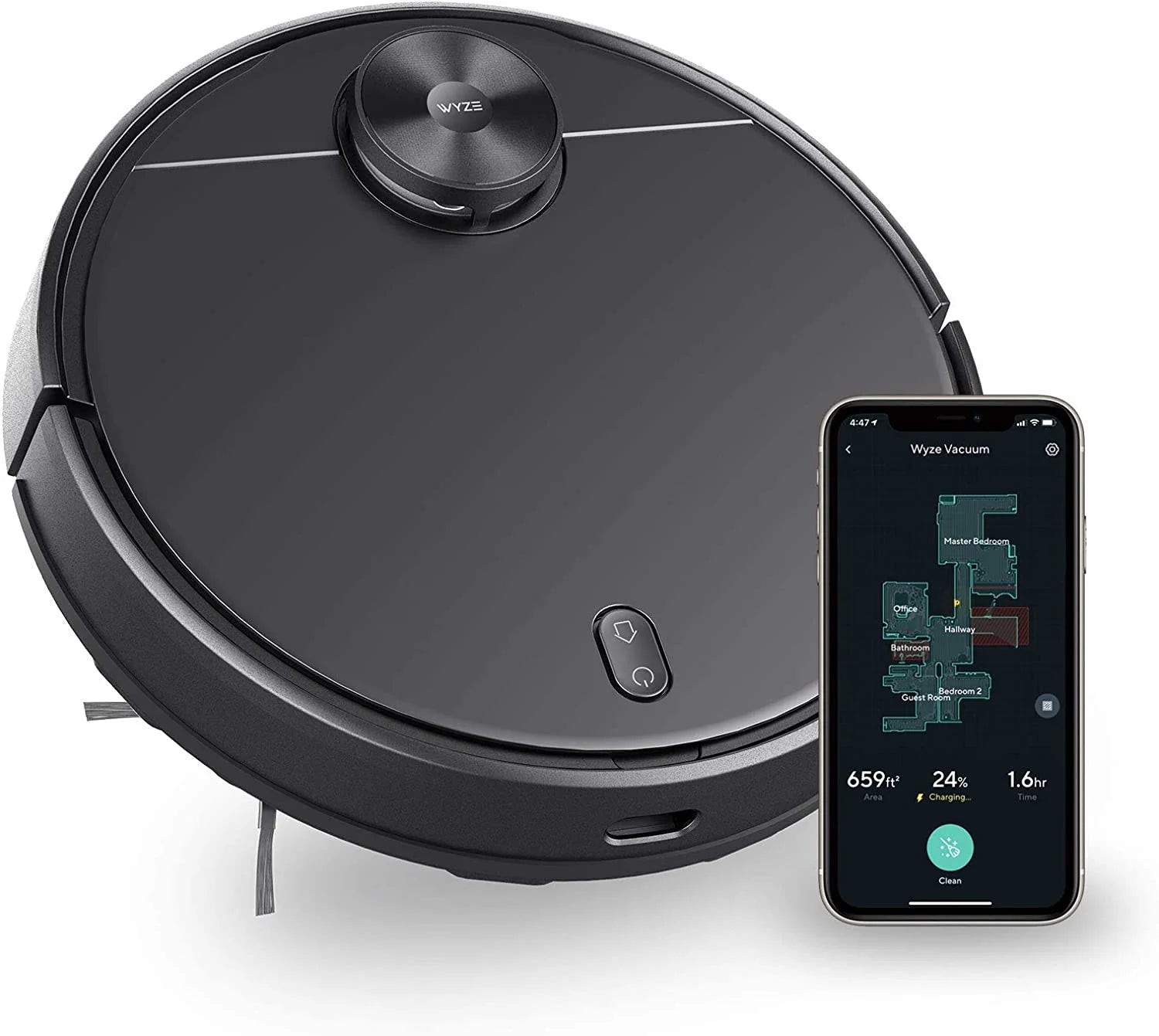
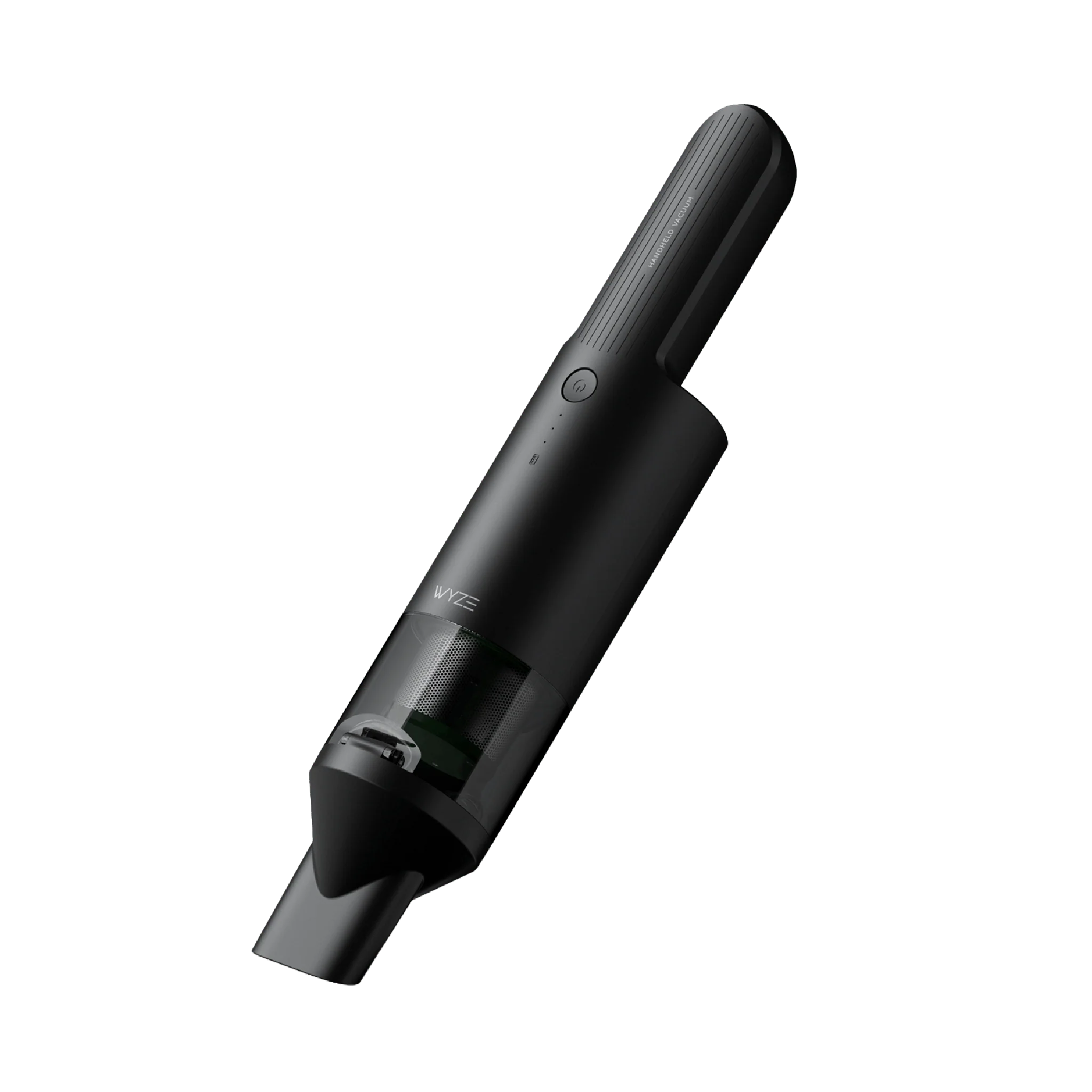
While not an obvious energy saver, a smart vacuum helps maintain your home's energy efficiency in two ways. First, by removing dust and dirt from floors, it improves indoor air quality, which can reduce the need for air purifiers to run at higher speeds. Second, scheduled cleaning means the vacuum operates during off-peak hours (e.g., when electricity rates are lower). For homes with hard floors, a clean floor reflects more heat, potentially reducing the workload on your HVAC system. Additionally, using a vacuum with a clean HEPA filter ensures maximum suction with less energy—so don't forget to replace filters regularly. The Wyze Cordless Vacuum - HEPA Filter is an essential accessory to keep your vacuum running efficiently, reducing run time and energy usage per cleaning session.
Bonus Tip: Automate Your Energy-Saving Routines
The real magic happens when you combine these devices into routines. Using a smart home hub, you can create a "Good Night" routine that turns off all smart plugs, dims lights, and checks your climate sensor for unusual temperatures. A "Leave Home" routine can cut power to all non-essential devices and set your thermostat to an energy-saving mode. These automations require no effort from you and ensure energy savings are consistent day after day.
Practical Steps to Get Started
- Audit your energy waste: Walk through your home and identify devices that stay on 24/7 (e.g., cable boxes, chargers, fans). List them for smart plug installation.
- Start with one room: Pick the home office or living room first. Install a smart plug for the entertainment system and a smart bulb for the main light.
- Add sensors: Place a climate sensor in a room that feels drafty or gets direct sunlight to monitor temperature swings.
- Set schedules: Use your smart home app to program lights to turn off at sunrise and smart plugs to cut power at midnight.
- Monitor and adjust: Review monthly energy reports from your utility company and compare with before you started. Tweak routines as needed.
How Much Can You Actually Save?
Let's put some numbers to this. A typical US household spends about $1,500 annually on electricity. By implementing the devices above, you could reduce that by 20–30%—saving $300–$450 per year. Smart plugs and bulbs pay for themselves in under 6 months. Energy monitors help you identify the biggest energy hogs, enabling targeted improvements. Over five years, that's $1,500–$2,250 in your pocket, plus the satisfaction of a more sustainable home.
Common Mistakes to Avoid
- Ignoring standby power: Even "energy-efficient" devices like Wi-Fi routers consume 5–10 watts constantly. Use smart plugs to turn them off at night if you don't need internet access.
- Using too many devices without monitoring: Adding more smart devices can increase your energy footprint if not managed properly. Stick to essentials and use sensors to track overall usage.
- Neglecting firmware updates: Keep your smart devices updated to ensure they operate with the latest energy-saving algorithms and features.
Conclusion
Reducing your energy bill in 2025 doesn't require a major home renovation or expensive solar panels. By strategically adding a handful of smart home devices—smart plugs, bulbs, climate sensors, surge protectors, and efficient vacuums—you can automate savings and gain visibility into your energy consumption. Start small, build routines, and watch your electricity costs drop month after month. Your wallet and the planet will thank you.
Ready to Start Saving?
Explore the Wyze Sense Climate Sensor to get real-time insights into your home's energy usage. Pair it with smart plugs and bulbs for a complete energy-saving system. Check out our full range of energy-efficient devices at Wyzeussale and start reducing your bills today.