The Future of Smart Home Security: Trends and Innovations from CES 2025
By Wyzeussale | Published: 2026-06-12
Category: Industry News
Explore the top smart home security trends from CES 2025, including AI-powered detection, biometric locks, and seamless integration. Discover how innovations like the Wyze Cam v3 and Wyze Palm Lock are shaping the future.
The Consumer Electronics Show (CES) 2025 has once again set the stage for groundbreaking advancements in smart home technology, particularly in the realm of home security. As we move further into the decade, the convergence of artificial intelligence (AI), enhanced connectivity, and user-centric design is redefining how we protect our homes. This year, the spotlight was on innovations that promise not only to deter intruders but also to provide unprecedented peace of mind through automation and intelligence. From AI-driven video analysis to biometric access control, the trends emerging from CES 2025 indicate a future where security is proactive, personalized, and seamlessly integrated into daily life. In this article, we'll dive into the most exciting developments and explore how products like the Wyze Cam v3 and Wyze Palm Lock are already embodying these future-forward concepts.
AI-Powered Threat Detection: Beyond Simple Motion Alerts
One of the most significant trends at CES 2025 was the shift from passive motion detection to active, intelligent threat analysis. Traditional security cameras often trigger false alarms from pets, passing cars, or rustling leaves. However, new AI models now differentiate between humans, animals, vehicles, and even suspicious behaviors like loitering or package theft. This evolution means fewer notifications and more accurate alerts. Companies are integrating deep learning algorithms directly into cameras, reducing reliance on cloud processing and improving privacy. For instance, the Wyze Cam v3 already offers color night vision and motion detection, but future iterations could leverage local AI to identify specific threats without cloud dependency. This trend aligns with the broader industry move toward edge computing, where data is processed on the device for faster, more private responses.
Biometric Access Control: The Rise of Palm and Fingerprint Locks
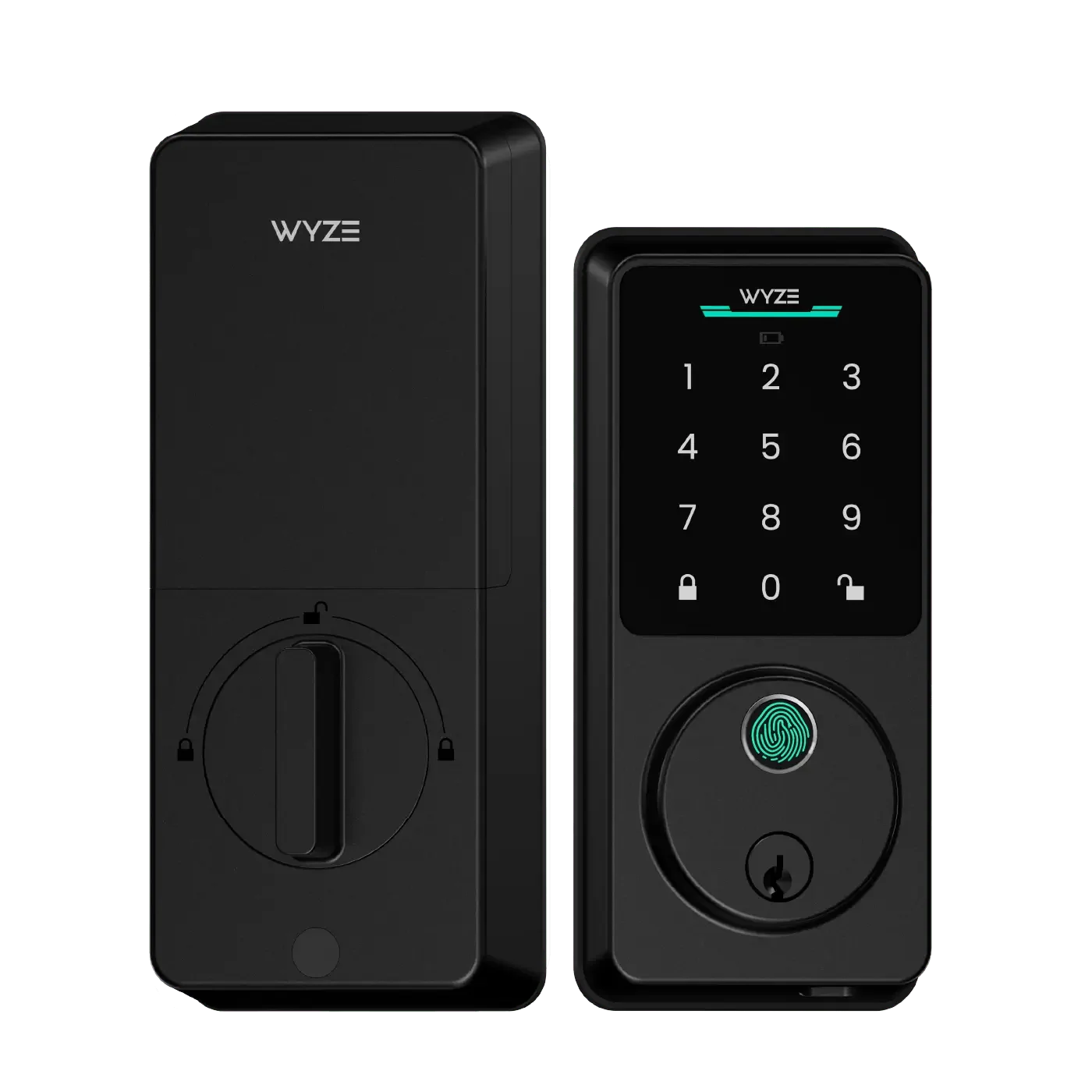
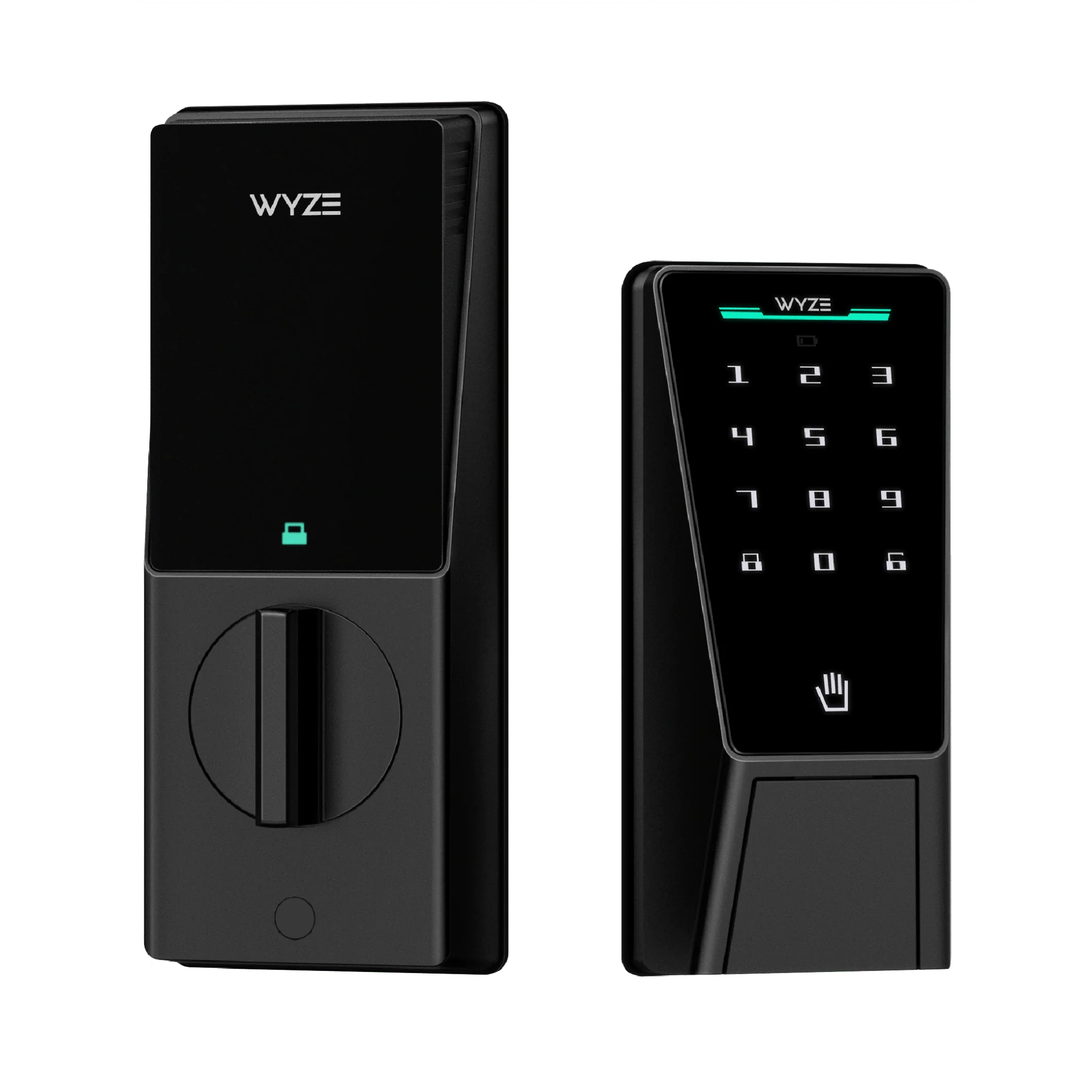
Biometric technology is no longer limited to smartphones. CES 2025 showcased a new wave of smart locks that use unique biological traits—such as fingerprints, iris scans, and palm prints—for keyless entry. These systems offer heightened security compared to traditional PIN codes or keys, which can be stolen or guessed. The Wyze Palm Lock exemplifies this trend, using palm vein recognition to unlock your door instantly. Unlike fingerprint scanners, palm recognition is nearly impossible to spoof because it reads the pattern of veins beneath the skin. This innovation not only enhances security but also provides convenience for families who no longer need to fumble for keys or remember codes. As these locks become more affordable, expect them to become a standard feature in smart home security setups.
Seamless Integration with Matter Protocol
Interoperability has long been a pain point for smart home users, but the adoption of the Matter protocol is finally bridging the gap. At CES 2025, numerous brands demonstrated how Matter-enabled devices—from cameras to locks to sensors—can work together seamlessly, regardless of manufacturer. This means your security system can trigger your smart lights to turn on when motion is detected, or your lock can automatically arm your alarm when you leave. For homeowners, this translates to a unified ecosystem where devices communicate without proprietary hubs or complex setups. The promise of Matter is a truly connected home, where security is just one part of a larger, intuitive system.
Advanced Video Analytics and Privacy-First Design
Privacy concerns continue to drive innovation in home security. CES 2025 highlighted cameras that perform on-device AI processing, ensuring that sensitive video footage never leaves your home network. This “privacy-first” approach is critical for building consumer trust. Additionally, new analytics capabilities allow cameras to recognize familiar faces and alert you only when an unknown person is detected. Some models even feature privacy shutters that physically block the lens when not in use. These features are particularly appealing for indoor cameras used for monitoring children or pets. As AI becomes more sophisticated, expect to see more products that balance intelligence with strong privacy guarantees.
The Role of Smart Lighting in Deterrence
Smart lighting has evolved from a convenience feature to a critical component of home security. At CES 2025, several new products combined motion-activated floodlights with cameras and sirens, creating a comprehensive deterrent system. For example, outdoor lights can now automatically adjust brightness based on the time of day or detect unusual activity and flash to scare off intruders. Integrating lighting with your security system—such as using the Wyze Cam v3 to trigger lights when motion is detected—amplifies the effectiveness of both devices. This synergy not only improves safety but also enhances energy efficiency by ensuring lights are only on when needed.
Environmental Sensors: Safeguarding Against More Than Intruders
Modern smart home security isn't just about preventing break-ins; it's also about protecting against environmental hazards. CES 2025 saw a surge in sensors that detect smoke, carbon monoxide, water leaks, and even changes in air quality. These sensors can be integrated with your security hub to send alerts and automatically shut off water valves or turn on ventilation fans. The trend toward holistic home protection means that a comprehensive security system now includes both security and safety monitoring. Products like the Wyze Sensor line already offer leak and motion detection, but future versions may include AI that predicts potential issues before they become emergencies.
Wireless and Battery-Powered Cameras: More Flexibility, Longer Life
Installation simplicity remains a key selling point for smart security devices. CES 2025 featured a new generation of battery-powered cameras with extended battery life, sometimes lasting up to six months or more on a single charge. These cameras are also more weather-resistant and offer improved wireless connectivity, making them ideal for hard-to-reach areas like garages, sheds, or backyards. The trend is toward flexible placement without sacrificing performance. For instance, the Wyze Cam v3 is already a popular wired option, but its battery-powered counterparts provide the freedom to monitor any corner of your property. This flexibility is crucial for renters or homeowners who prefer non-permanent installations.
Voice Control and Automation Routines
Voice assistants like Amazon Alexa and Google Assistant are becoming more deeply integrated with security systems. At CES 2025, new routines were demonstrated where saying “Goodnight” can lock all doors, arm the alarm, and turn off lights. Similarly, you can ask your assistant to show the front door camera on your smart display or check if the garage door is closed. These routines simplify daily security checks and ensure that no step is forgotten. As voice recognition improves, these interactions will become even more natural and secure, potentially using voice biometrics to confirm your identity before executing sensitive commands.
Smart Lock Evolution: Keyless, Wireless, and Multi-Factor
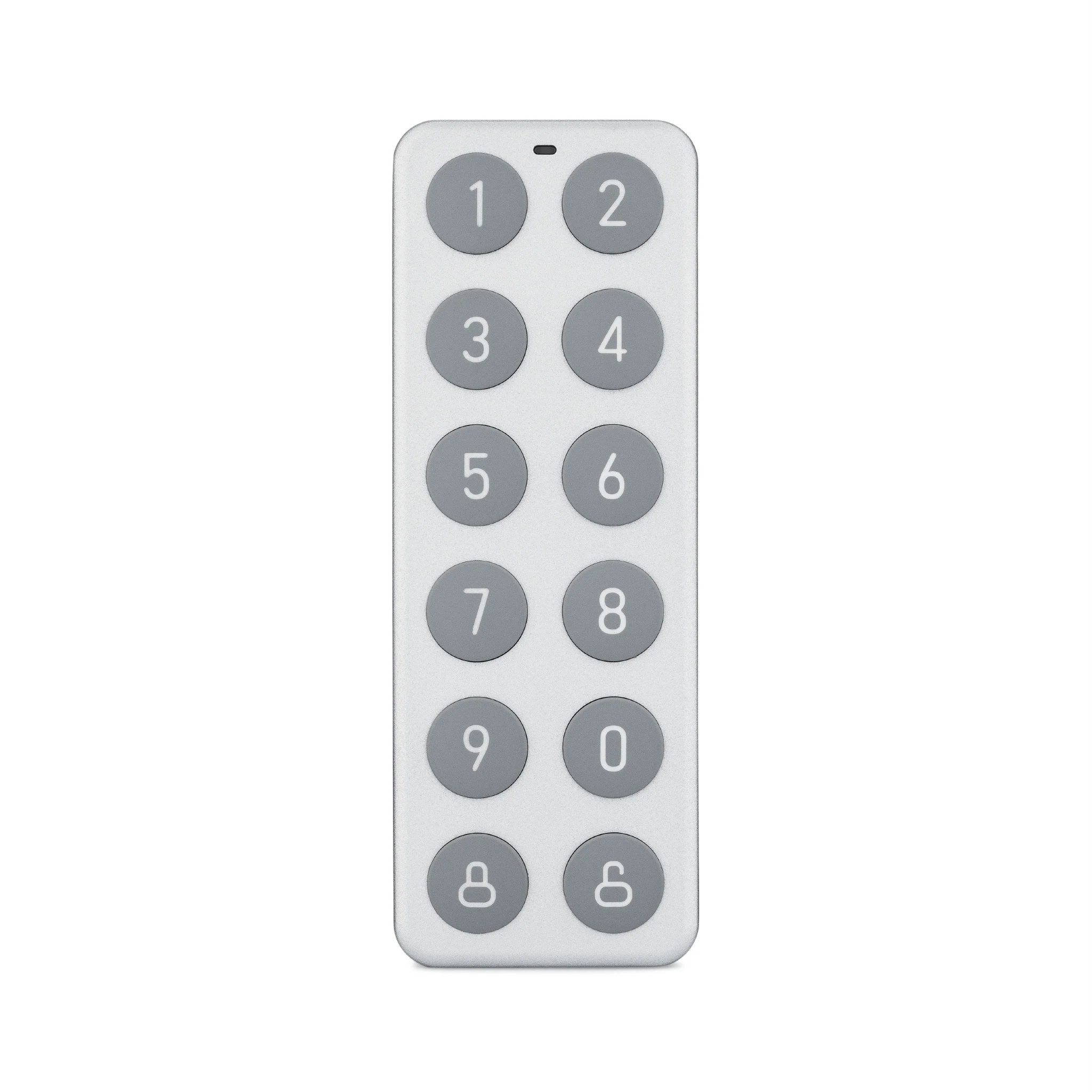
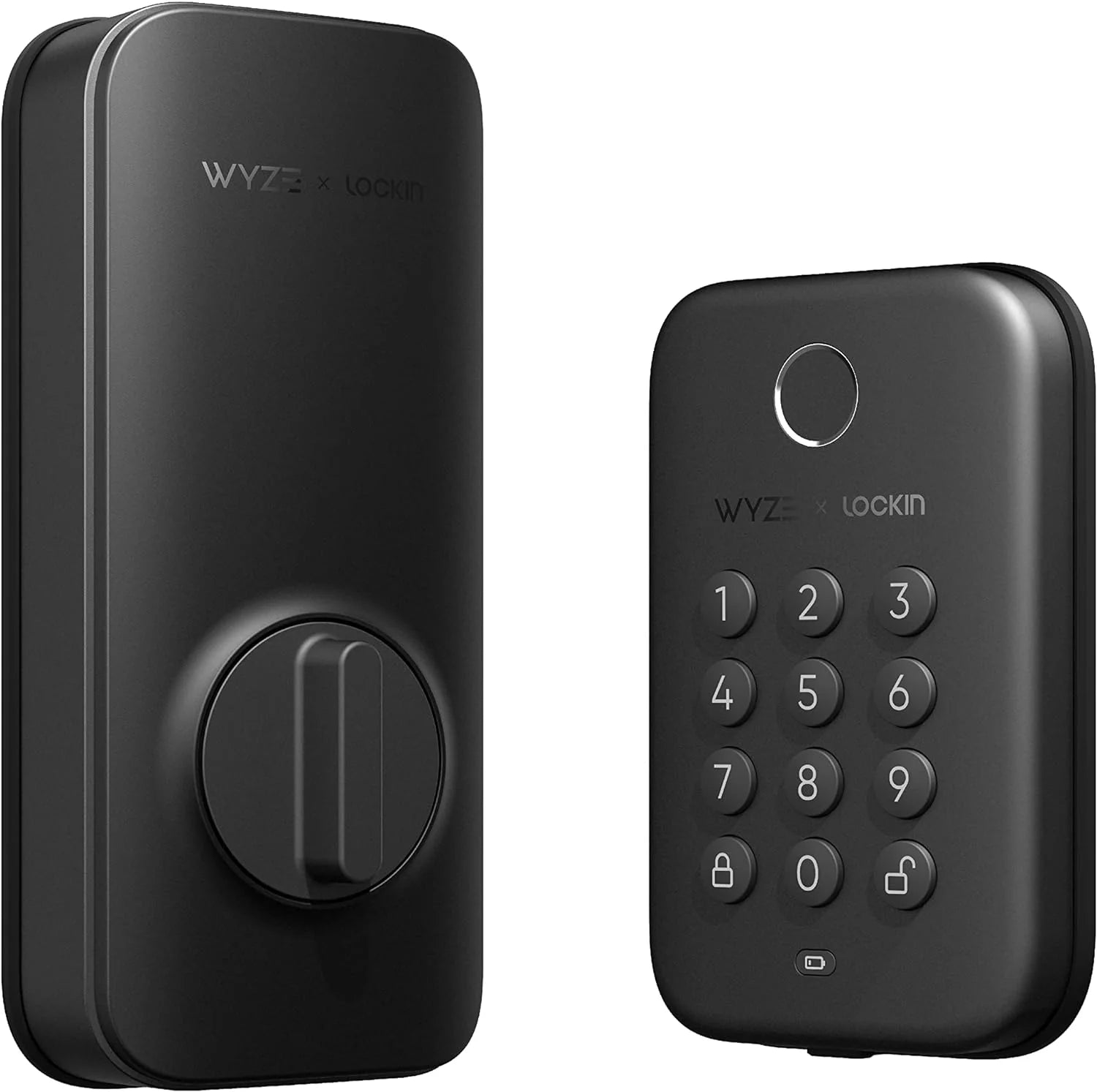
The smart lock category has matured significantly. Beyond biometrics, new locks at CES 2025 offered multiple entry methods—including smartphone app, voice, keypad, and even auto-unlock via geofencing. Security features like anti-tamper alerts, auto-lock timers, and temporary access codes for guests are becoming standard. The Wyze Palm Lock is a prime example of this evolution, combining palm recognition with Bluetooth and Wi-Fi connectivity for remote control. Future locks may also include multi-factor authentication, requiring both a biometric scan and a PIN for maximum security, especially for high-value areas like home offices or gun safes.
The Future of Home Security: What to Expect
Looking ahead, the home security landscape will continue to be shaped by AI, connectivity, and user empowerment. We can expect more affordable devices that offer professional-grade features, such as 4K resolution, 360-degree coverage, and advanced analytics. Subscription services may become more flexible, allowing users to choose only the cloud storage or monitoring features they need. Moreover, sustainability will play a role, with solar-powered cameras and energy-efficient sensors becoming more common. The overarching goal is to create a security system that is not only reactive but predictive, using data to anticipate and mitigate risks before they occur.
Conclusion: Embrace the Future with Wyze
The innovations on display at CES 2025 paint an exciting picture of what's possible for modern home security. From AI-driven cameras that think for themselves to biometric locks that open with a wave of your hand, the technology is more accessible and powerful than ever. If you're ready to upgrade your home's security with cutting-edge solutions, explore the Wyze Cam v3 for reliable indoor/outdoor monitoring or the Wyze Palm Lock for futuristic keyless entry. These products embody the trends we've discussed and offer a glimpse into the secure, connected home of tomorrow. Visit our store today to see how Wyze can help you stay ahead of the curve.