Wyze Security Sensors vs. Traditional Alarms: Which Home Safety System Is More Reliable?
By Wyzeussale | Published: 2026-06-09
Category: Product Reviews
Compare Wyze security sensors with traditional alarm systems in terms of reliability, cost, features, and ease of use to decide the best home safety solution for your needs.
When it comes to protecting your home, the choice between modern smart security sensors and traditional alarm systems can be overwhelming. Traditional alarms have been the gold standard for decades, offering wired reliability and professional monitoring. However, the rise of smart home technology has introduced affordable, flexible alternatives like Wyze security sensors. In this comprehensive comparison, we’ll evaluate both options based on reliability, cost, features, and ease of use to help you decide which home safety system is right for you.
Understanding Wyze Security Sensors
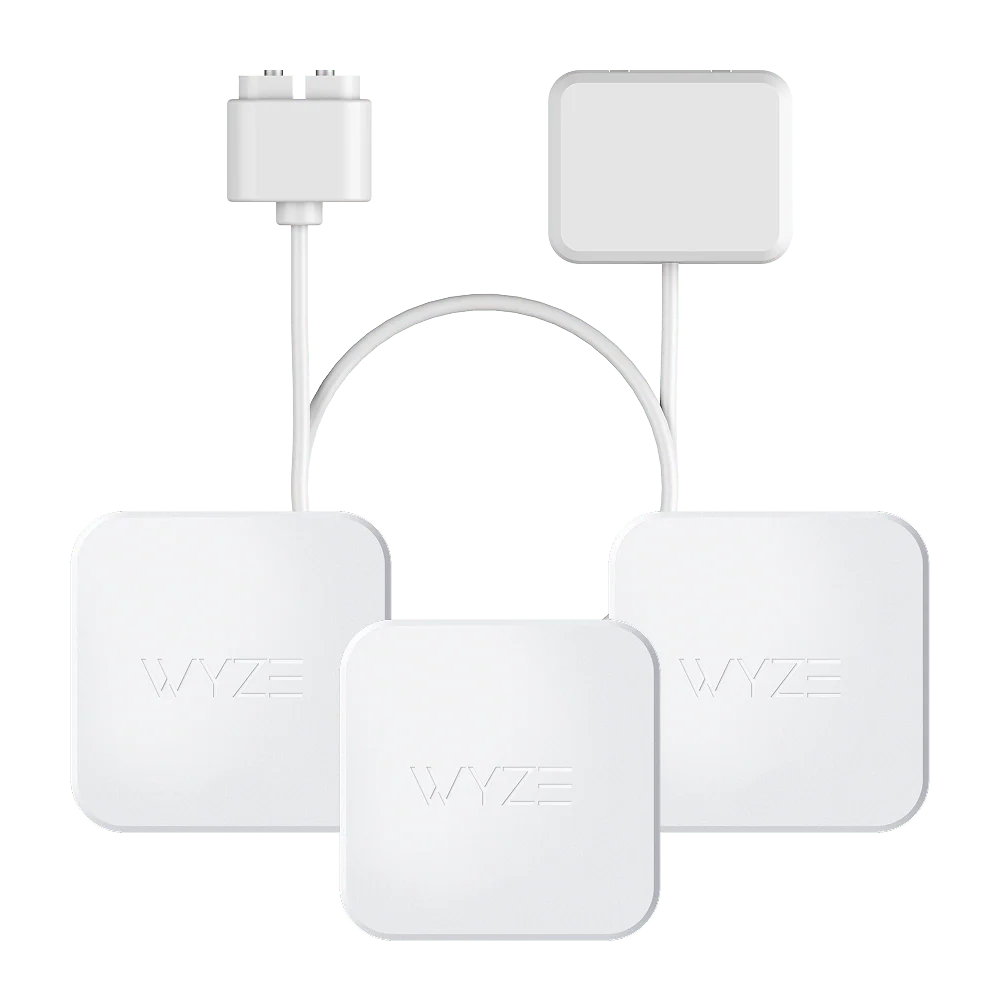
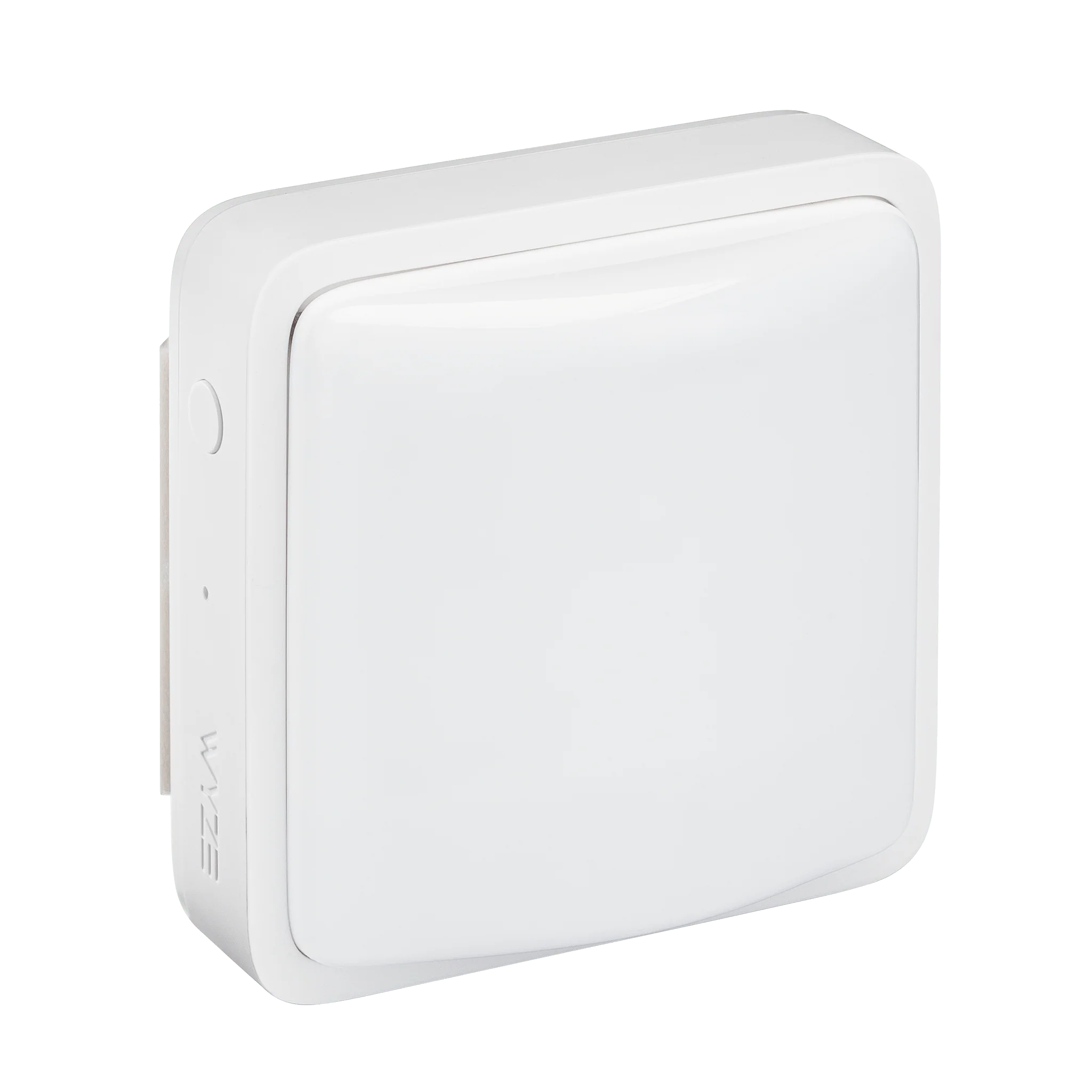
Wyze security sensors are part of a broader ecosystem of smart home devices that communicate wirelessly via Wi-Fi or proprietary protocols like Wyze Sense. These sensors include entry sensors, motion detectors, contact sensors, and more. They are designed to be easy to install, often with adhesive backing, and can be configured to trigger alarms, send notifications, or activate other smart devices like lights and cameras. The Wyze ecosystem is known for its affordability and seamless integration with voice assistants like Alexa and Google Assistant.
Key Features of Wyze Security Sensors
- Wireless Installation: No drilling or wiring required, making them ideal for renters or temporary setups.
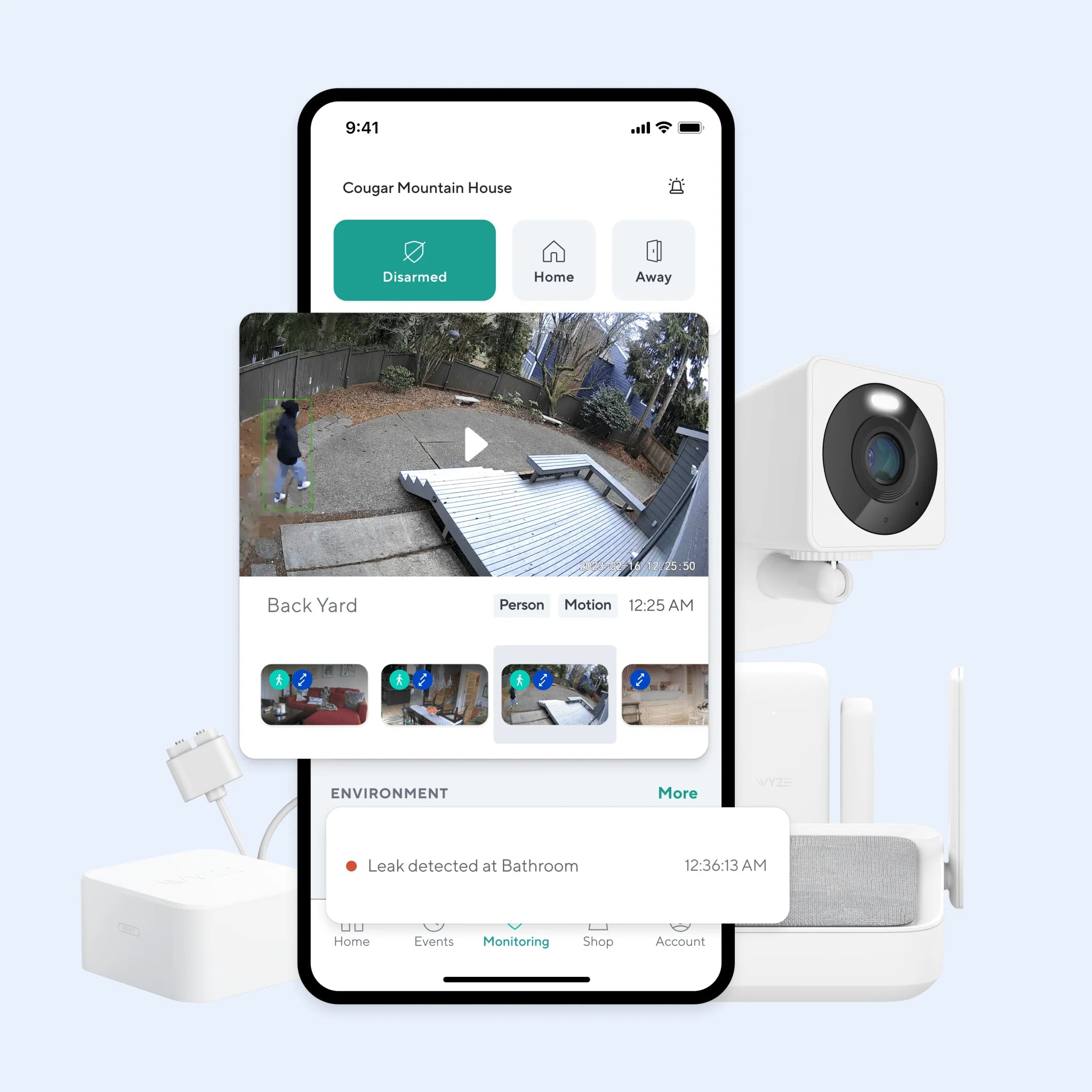
- Smart Alerts: Receive real-time push notifications on your smartphone when a sensor is triggered.
- Customizable Automations: Set routines like turning on lights when a door opens or arming the system automatically when you leave.
- No Monthly Fees: Basic monitoring is free, with optional cloud storage plans for camera footage.
- Expandability: Add more sensors, cameras, or devices like the Wyze Lock Bolt Deadbolt, Strike Plate, and Latch for comprehensive security.
Traditional Alarms: The Classic Approach
Traditional alarm systems have been protecting homes for decades. They typically consist of wired sensors, a central control panel, and a landline or cellular connection to a monitoring center. These systems are often installed by professionals and require a monthly subscription for monitoring services. While they are robust and time-tested, they come with higher upfront costs and ongoing fees.
Key Features of Traditional Alarms
- Professional Monitoring: 24/7 monitoring by a central station, ensuring police or emergency services are dispatched immediately.
- Hardwired Reliability: Sensors are physically wired to the control panel, eliminating wireless interference issues.
- Landline or Cellular Backup: Some systems use landlines, but modern ones offer cellular backup for reliability.
- Higher Initial Investment: Equipment and installation can cost hundreds to thousands of dollars.
- Monthly Fees: Typically $20–$50 per month for monitoring.
Reliability Comparison: Wyze Security Sensors vs. Traditional Alarms
Reliability is the cornerstone of any home security system. Let’s break down how each option performs in critical areas.
Sensor Accuracy and False Alarms
Traditional wired sensors are generally less prone to false alarms because they are hardwired and use proven technology. However, they can still be triggered by environmental factors like pets or drafts. Wyze security sensors, being wireless, can sometimes suffer from interference from other devices or low battery warnings, but modern versions have improved significantly. For example, the Wyze Sense Entry Sensor uses a magnetic contact that is highly reliable for detecting door and window openings, with a low false-alarm rate when properly installed.
Connectivity and Power
Traditional alarms rely on a wired connection to the control panel and often have battery backup for power outages. Wyze sensors are battery-powered and communicate via Wi-Fi or the Wyze Sense hub, which connects to your home router. If your internet goes down, Wyze sensors may lose connectivity unless you have a backup like a cellular module. However, Wyze devices are designed to store events locally on a microSD card in compatible cameras, and you can use the MicroSD Cards for local recording, ensuring you don’t miss critical events even during an internet outage.
Response Time
Traditional monitoring centers typically respond within 30–60 seconds after an alarm triggers, dispatching emergency services. Wyze security sensors send push notifications to your phone instantly, but the response depends on you being available to check and act. If you’re away or asleep, you might miss the alert. However, you can integrate Wyze sensors with professional monitoring services via third-party platforms like Noonlight for a fee, bridging the gap.
Cost Analysis: Upfront and Long-Term
| Factor | Wyze Security Sensors | Traditional Alarms |
|---|---|---|
| Initial Cost | $20–$100 for starter kit | $200–$1,000+ |
| Monthly Fees | $0 (basic); optional Cam Plus $1.99/mo | $20–$50/mo |
| Installation | DIY (free) | Professional ($100–$200) |
| Equipment Replacement | Low cost per sensor | High cost per sensor |
Clearly, Wyze offers a much lower barrier to entry, but traditional alarms may justify their cost with professional monitoring and robust hardware. For budget-conscious homeowners or renters, Wyze is a compelling choice.
Feature Comparison: Smart vs. Dumb
Wyze security sensors excel in smart home integration. They can trigger lights, cameras, and locks based on events. For instance, when a door opens, you can set your Wyze Video Doorbell Pro to start recording, or have your smart lights turn on. Traditional alarms typically only sound a siren and alert the monitoring center, with limited smart features unless upgraded with expensive add-ons.
Ease of Use
Wyze sensors are incredibly user-friendly. You can install them in minutes using the app, and the system is easy to arm/disarm via voice commands or schedules. Traditional alarms often require professional installation and programming, and the control panels can be less intuitive. For tech-savvy users, Wyze is a clear winner.
Which Is More Reliable for Home Safety?
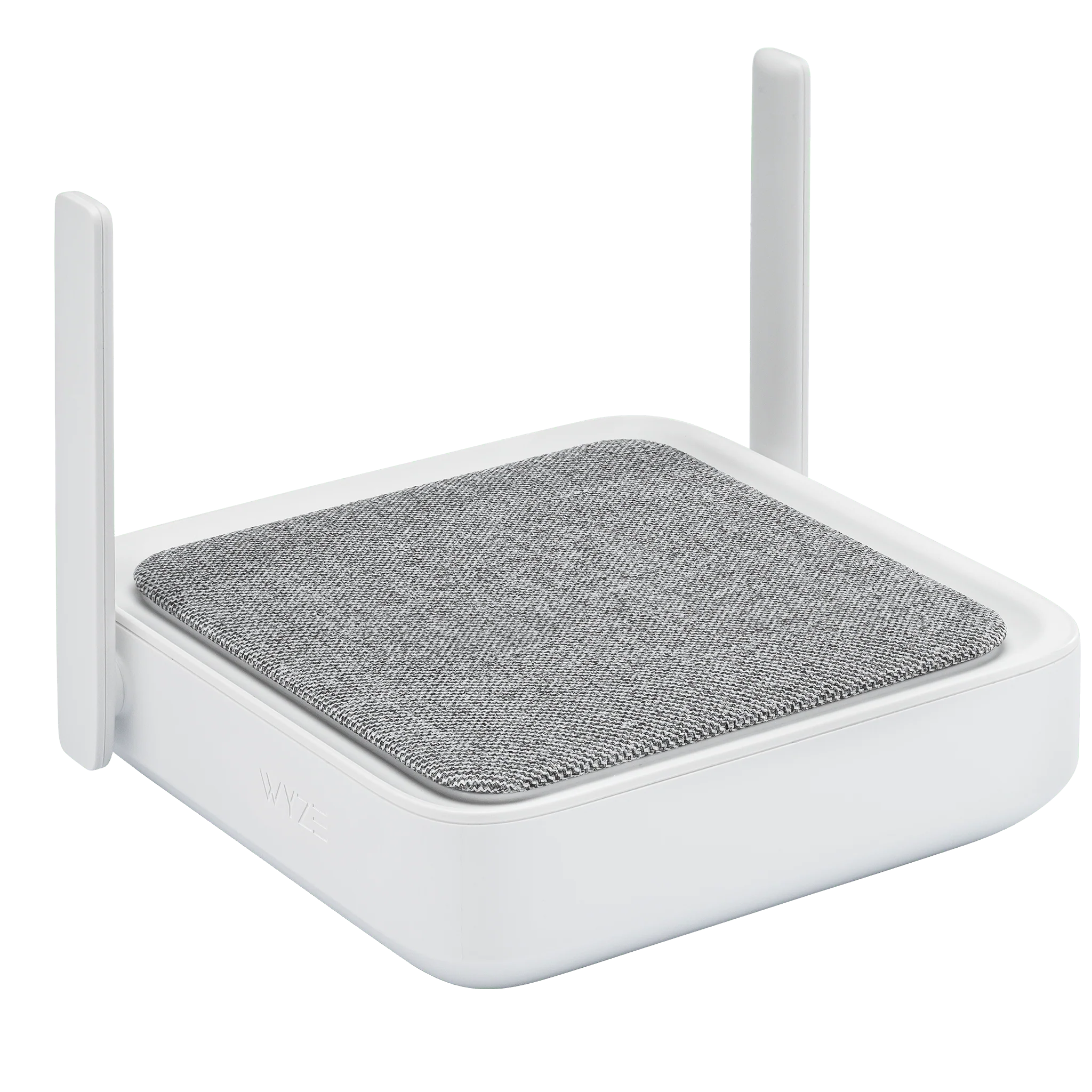
The answer depends on your priorities. If you want absolute reliability with professional monitoring and don’t mind the cost, traditional alarms are hard to beat. However, for most modern homeowners, Wyze security sensors offer a level of reliability that is more than sufficient for everyday use, with the added benefits of smart features, lower cost, and easy expandability. The key is to supplement your system with redundancy—like using a Wyze Wi-Fi 6 Mesh Router for robust connectivity and a battery backup for your internet modem.
Final Verdict
For the majority of users, Wyze security sensors provide a more reliable overall experience because they are less prone to false alarms due to user error, offer real-time alerts, and integrate seamlessly with other smart devices. Traditional alarms are still the best choice for high-risk properties or those who want a fully managed service, but for most, Wyze is the smarter, more cost-effective solution.
Ready to upgrade your home security? Explore the Wyze Sense Entry Sensor today and start building your personalized safety system with confidence.